ELECTRONICS
Electronics is the branch of physics concerned with the control and movement of electrons and other charge carriers in devices and circuits.
Electronics is important in:
- Communication systems
- Computers
- Mobile phones
- Television
- Radio
- Medical equipment
- Industrial control systems
- Satellite systems
- Digital devices
- Telecommunication networks
This chapter covers four major areas:
- Band theory of solids
- Multistage amplifiers
- Digital systems
- Telecommunication
PART A: BAND THEORY OF SOLIDS
2.0 BAND THEORY OF SOLIDS
2.1 Introduction
The electrical behaviour of a solid depends strongly on how electrons are arranged and how much energy they require to move from one energy state to another.
According to band theory, electrons in a solid can occupy certain ranges of energy called energy bands.
The most important energy bands are:
- Valence band
- Conduction band
- Forbidden energy gap
2.2 Energy Levels
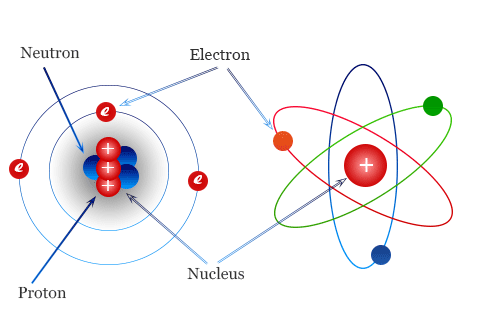
In an isolated atom, electrons occupy specific energy levels.
When many atoms come together to form a solid, the energy levels of neighbouring atoms interact and split into many closely spaced levels.
These closely spaced levels form energy bands.
Therefore:
ISOLATED ATOMS → ENERGY LEVELS
MANY ATOMS IN A SOLID → ENERGY BANDS
Chapter 3: Electronics – Physics Form Six
READ FULL NOTES
DOWNLOAD PDF NOTES