
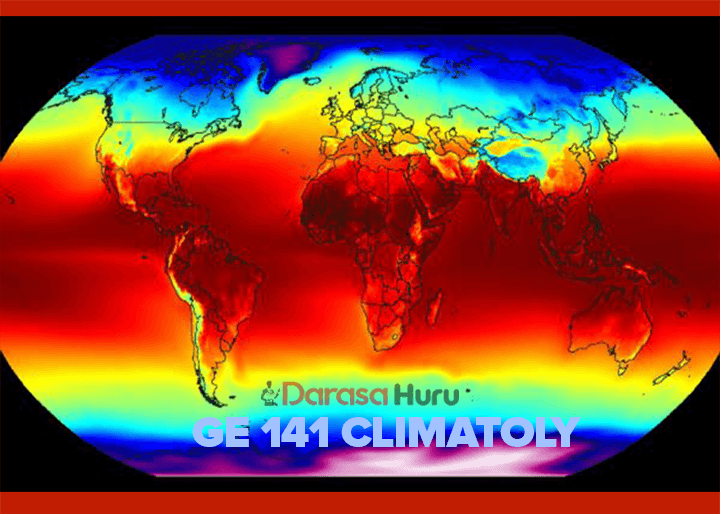
GE 141 – Module 7 Resources and Climate
Higher temperatures can cause pavement to soften and expand. This can create rutting and potholes, particularly in
high-traffic areas and can place stress on bridge joints.
Heat waves can also limit construction activities, particularly in areas with high humidity.
How Resources Affect Climate
Fossil Fuels: Extraction and burning of coal, oil, and gas are major sources of GHGs, causing global warming.
Land Use: Deforestation for mining or agriculture destroys carbon sinks (trees) and releases stored carbon, accelerating climate change.
Methane Emissions: The oil and gas sector is a significant source of methane, a potent GHG, with potential for large reductions using existing technology.
How Climate Affects Resources
Water: Climate change intensifies the hydrological cycle, altering rainfall patterns, increasing droughts, and affecting water supply for ecosystems and people.
Food & Agriculture: Extreme weather, heat stress, and ocean acidification threaten fisheries, livestock, and crop yields, leading to food insecurity.
Ecosystems: Changes in ice cover disrupt hunting and herding, while habitat destruction from mining further degrades biodiversity.
Solutions: Sustainable Management & Adaptation
Reforestation: Planting trees to absorb CO2, prevent soil erosion, and restore biodiversity.
Sustainable Mining: Implementing better practices, using technology (remote sensing), and proper land reclamation.
Energy Transition: Shifting to cleaner energy sources to reduce reliance on fossil fuels.
Policy & Regulation: Strong frameworks to manage GHG emissions from resource sectors.
Community-Based Management: Strengthening local institutions for shared resource management.
GE 141 – Module 7 Resources and Climate
CLICK HERE TO DOWNLOAD NOTES PDF
