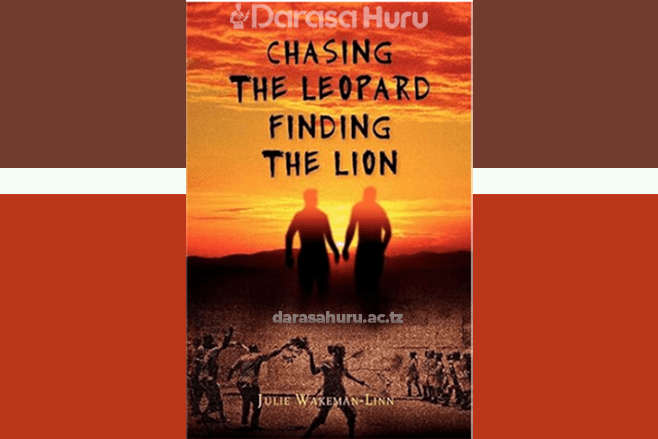
Chasing the Leopard Finding the Lion By Julie Wakeman-linn Full Analysis
Chasing the Leopard Finding the Lion – Full Analysis, Summary, Themes & Characters
PART ONE: INTRODUCTION AND BACKGROUND OF CHASING THE LEOPARD, FINDING THE LION
Author: Julie Wakeman-Linn
Introduction
Chasing the Leopard, Finding the Lion is a novel by Julie Wakeman-Linn that explores important issues related to identity, family, culture, personal growth, and the search for belonging. Although the story is written in a simple narrative style, it carries deep messages about human relationships and the challenges people face while trying to understand themselves and their place in society.
The novel is suitable for advanced secondary students because it encourages readers to think critically about personal choices, cultural expectations, and the influence of the environment on human development. Through the experiences of the characters, the author shows that discovering one’s identity is a journey that requires courage, understanding, and self-reflection.
The title itself suggests a journey of discovery. The words “chasing” and “finding” show movement, struggle, and transformation. The leopard and the lion are symbolic images that represent different qualities, challenges, and stages of personal development.
About the Author
Julie Wakeman-Linn is an author known for writing stories that focus on human experiences, relationships, and cultural issues. Her writing often explores how individuals interact with society and how personal identity is shaped by family, history, and social expectations.
Through her works, Wakeman-Linn demonstrates interest in characters who experience challenges and must make important decisions. She presents realistic situations that encourage readers to examine their own lives and communities.
Her style combines storytelling with social commentary. Instead of simply entertaining readers, she uses fiction to discuss important issues affecting individuals and societies.
Meaning of the Title
The title Chasing the Leopard, Finding the Lion is highly symbolic.
The word “Chasing” suggests a search, struggle, or attempt to achieve something. It represents the journey that individuals undertake while looking for answers, success, identity, or purpose.
The word “Finding” suggests discovery. It indicates that the journey leads to understanding or a new awareness.
The animals in the title also carry symbolic meanings.
The Leopard
The leopard can symbolize:
- Mystery
- Independence
- Strength
- Individual struggle
- The unknown
The act of chasing the leopard may represent the desire to achieve something difficult or understand something hidden.
The Lion
The lion traditionally symbolizes:
- Courage
- Leadership
- Power
- Confidence
- Achievement
Finding the lion suggests discovering inner strength and becoming a stronger version of oneself.
Therefore, the title suggests a journey from searching and struggling to discovering confidence and personal identity.
Genre of the Novel
Chasing the Leopard, Finding the Lion belongs to the genre of fiction, but it also contains elements of:
Coming-of-Age Novel
This type of novel focuses on the growth and development of a young person.
The characters experience challenges that help them mature emotionally and socially.
Social Novel
The story examines issues within society, including relationships, culture, and expectations.
Psychological Novel
The novel explores thoughts, emotions, fears, and personal struggles of characters.
Setting
Physical Setting
The physical setting refers to the places where events happen. The environment influences the experiences of the characters and shapes their understanding of life.
The locations in the novel help readers understand the social and cultural background of the characters.
Social Setting
The social setting involves the values, beliefs, traditions, and relationships within the society presented in the novel.
Important social aspects include:
- Family expectations
- Cultural identity
- Community influence
- Relationships between generations
- Personal responsibilities
The author shows that individuals do not live separately from society. Their choices are affected by the people around them.
Time Setting
The novel reflects a modern period where individuals face challenges related to identity, change, and social expectations.
The time period allows the author to explore conflicts between traditional values and modern ways of thinking.
Plot Overview
The novel follows characters who experience personal challenges while trying to understand themselves and their relationship with others.
Throughout the story, the characters face situations that force them to make decisions and confront difficult realities.
The journey in the novel is not only physical but also emotional and psychological. The characters must overcome personal struggles, understand their backgrounds, and discover their strengths.
As events develop, the characters learn important lessons about:
- Responsibility
- Courage
- Relationships
- Self-awareness
- Personal growth
The struggles they experience help them transform from uncertainty to greater understanding.
Major Ideas Introduced in the Novel
Identity and Self-Discovery
One of the central ideas of the novel is the search for identity.
The author shows that discovering who we are is a gradual process influenced by:
- Family
- Culture
- Experiences
- Personal decisions
Characters must learn to accept themselves while also understanding the expectations of society.
Family and Relationships
Family relationships play an important role in shaping individuals.
The novel explores how family members can provide:
- Support
- Guidance
- Conflict
- Pressure
The author shows that relationships can be complicated but remain important in personal development.
Tradition and Change
The novel presents the relationship between traditional beliefs and modern ideas.
Characters may experience conflicts when they try to balance:
- Respect for tradition
- Desire for independence
- Personal ambitions
The author encourages readers to think about how societies can preserve important values while accepting positive change.
Personal Growth
The novel presents life as a journey of learning and transformation.
Characters develop through:
- Challenges
- Mistakes
- Experiences
- Reflection
The difficulties they face help them become stronger and wiser.
Conflict in the Novel
Conflict is important because it creates challenges that develop the characters and move the story forward.
The novel may present different types of conflict:
Internal Conflict
This occurs when a character struggles with personal thoughts, emotions, or decisions.
Examples include:
- Fear
- Doubt
- Confusion about identity
Social Conflict
This occurs when individuals face pressure from society or other people.
Examples include:
- Cultural expectations
- Family disagreements
- Differences in beliefs
Interpersonal Conflict
This occurs between characters because of different opinions, goals, or experiences.
Importance of the Novel
Chasing the Leopard, Finding the Lion is important because it teaches readers about personal responsibility and the importance of understanding oneself.
The novel encourages young people to:
- Respect their background.
- Learn from challenges.
- Develop confidence.
- Make responsible choices.
- Appreciate relationships.
Its messages are relevant to students because many young people experience similar challenges while growing and preparing for the future.
CHARACTER ANALYSIS
Characters are the foundation of every novel because they carry the author’s ideas and messages. In Chasing the Leopard, Finding the Lion, Julie Wakeman-Linn uses characters to explore issues such as identity, family relationships, personal struggles, courage, and social expectations.
The characters experience different challenges, and through these experiences readers understand the importance of self-discovery and personal growth.
Main Character Analysis
The Protagonist (Main Character)
Introduction
The main character in the novel represents the journey of an individual who is trying to understand life, personal identity, and the expectations placed upon them by society.
The character’s experiences form the centre of the story and allow the author to explore themes of growth and transformation.
Personality Traits
Determined
The protagonist faces challenges but continues searching for answers and solutions.
This determination shows that personal growth requires patience and courage.
Curious
The character wants to understand the world around them and discover their true identity.
This curiosity drives the journey throughout the novel.
Reflective
The protagonist often thinks deeply about experiences, relationships, and personal decisions.
Through reflection, the character gains wisdom and maturity.
Courageous
The character learns to face difficult situations instead of avoiding them.
Courage becomes an important quality in the process of self-discovery.
Character Development
At the beginning of the novel, the protagonist may experience uncertainty and confusion about personal identity and future direction.
As the story progresses, experiences and challenges help the character develop:
- Confidence
- Understanding
- Responsibility
- Emotional strength
The journey from uncertainty to self-awareness represents the meaning behind “finding the lion.”
Symbolic Meaning
The protagonist represents young people who are searching for their place in society.
The character’s journey reflects the experiences of many individuals who struggle with questions such as:
- Who am I?
- What do I believe in?
- What is my purpose?
- How do I balance personal desires with social expectations?
Supporting Characters
Family Members
Introduction
Family members play an important role in shaping the identity and decisions of the main character.
They represent the influence of family background, traditions, and expectations.
Positive Roles of Family
Family can provide:
Guidance
Family members offer advice based on experience and cultural knowledge.
Emotional Support
They provide encouragement during difficult moments.
Sense of Belonging
Family helps individuals understand their roots and identity.
Negative Influence of Family
However, family relationships may also create challenges.
These may include:
- Pressure to follow certain expectations.
- Differences between generations.
- Conflicts about personal choices.
The author shows that family relationships are complex and can involve both support and conflict.
Elder Characters
Introduction
Older characters often represent experience, tradition, and cultural knowledge.
They provide lessons based on the past.
Role in the Novel
They help younger characters understand:
- History
- Culture
- Responsibility
- Values
However, the novel also suggests that traditions should be examined carefully because not every old practice is necessarily suitable for new situations.
Symbolic Meaning
Elder characters represent the connection between the past and the present.
They show the importance of learning from previous generations while still allowing personal growth.
Friends and Companions
Introduction
Friends and companions influence the main character’s choices and understanding of life.
They represent the importance of social relationships in personal development.
Roles of Friends
Providing Support
Friends help characters overcome difficulties.
Creating Challenges
Sometimes friends create conflict by having different opinions or values.
Encouraging Growth
Through interaction with others, characters learn important lessons.
Society as a Character
Although society is not a human character, it plays an important role in the novel.
Society influences characters through:
- Cultural expectations
- Social rules
- Community opinions
- Traditions
The novel shows that individuals must balance personal freedom with social responsibility.
Character Conflicts
Internal Conflicts
Characters struggle with personal questions and emotions.
Examples include:
- Fear of failure
- Uncertainty about identity
- Desire for acceptance
Internal conflicts make characters realistic because real people also experience emotional struggles.
Family Conflicts
Conflicts may arise when characters have different opinions about:
- Choices
- Responsibilities
- Traditions
- Future plans
These conflicts reveal the difficulty of balancing personal goals with family expectations.
Social Conflicts
Characters may struggle against social expectations that limit personal choices.
The author uses these conflicts to discuss freedom, identity, and change.
Character Relationships
Relationship Between the Individual and Society
The novel shows that people are influenced by society but also have the ability to make personal choices.
A person must understand social values while developing their own identity.
Relationship Between Past and Present
Characters are connected to their history and background.
The novel teaches that understanding the past helps individuals make better decisions about the future.
Character Lessons
The Main Character
Lesson:
Personal growth requires courage, honesty, and willingness to learn from experiences.
Family Characters
Lesson:
Family is important, but individuals must also develop their own identity.
Elder Characters
Lesson:
Wisdom from the past should be respected, but society must also accept positive change.
Friends
Lesson:
Relationships influence personal development and decision-making.
Overall Character Significance
The characters in Chasing the Leopard, Finding the Lion represent different aspects of human life. Through their experiences, Julie Wakeman-Linn explores how people grow, face challenges, and discover their true identity.
The characters demonstrate that life is a journey of learning. Difficult experiences do not only create problems; they also create opportunities for personal development.
The novel teaches that individuals become stronger when they understand themselves, respect their background, and have the courage to face challenges.
Examination Focus
When writing character analysis in an examination, students should include:
Character Introduction
Explain who the character is and their role.
Character Traits
Describe qualities and support them with events from the novel.
Character Development
Explain how the character changes throughout the story.
Importance
Show what the character teaches readers and how the character contributes to the author’s message.
THEMES AND MESSAGES
Themes are the main ideas that an author explores in a literary work. In Chasing the Leopard, Finding the Lion, Julie Wakeman-Linn explores different issues related to human life, personal identity, relationships, culture, and social expectations.
The themes help readers understand the struggles of the characters and the lessons that the author wants to communicate.
Identity and Self-Discovery
Identity refers to a person’s understanding of who they are, their values, beliefs, background, and purpose in life.
Self-discovery is the process of learning about oneself through experiences, challenges, and reflection.
Development of the Theme
The novel shows that discovering one’s identity is not an easy process. Individuals often struggle to understand themselves because they are influenced by family, society, culture, and personal experiences.
The characters go through different situations that force them to ask important questions about their lives and future.
The journey of self-discovery is represented by the title of the novel. The search for the “lion” suggests finding inner strength, confidence, and a true sense of self.
Message
The author teaches that people should understand and accept themselves rather than simply following what others expect from them.
Relevance to Society
Young people today often face challenges related to identity, such as choosing careers, balancing cultural expectations, and making personal decisions. Understanding oneself helps individuals make better choices.
Family and Relationships
Family relationships involve the connections between parents, children, relatives, and other important people in a person’s life.
Development of the Theme
The novel shows that family plays an important role in shaping individuals. Families provide love, guidance, protection, and a sense of belonging.
However, family relationships can also create challenges when there are differences in opinions, beliefs, or expectations.
Characters may experience conflicts when personal goals do not match family wishes.
Positive Aspects of Family
Family provides:
- Emotional support
- Cultural knowledge
- Advice and guidance
- A sense of belonging
Negative Aspects of Family
Family may also create:
- Pressure
- Restrictions
- Conflicts between generations
Message
The author shows that family is important, but individuals also need the freedom to develop their own identities.
Relevance to Society
Many young people experience conflicts between personal ambitions and family expectations. The novel encourages understanding and communication between generations.
Culture and Tradition
Culture refers to the beliefs, customs, values, and practices shared by a particular group of people.
Tradition refers to practices and ideas passed from one generation to another.
Development of the Theme
The novel explores how culture influences people’s choices and identities.
Characters are connected to their backgrounds, and their decisions are affected by traditions and social expectations.
The author does not completely reject tradition but encourages people to examine traditions carefully.
Importance of Culture
Culture provides:
- Identity
- History
- Community connection
- Shared values
Challenges of Tradition
Some traditions may create problems when they prevent individuals from making personal choices.
Message
The author suggests that people should respect their culture while also accepting positive changes.
Relevance to Society
African societies often experience challenges between traditional beliefs and modern lifestyles. The novel encourages balance between respecting heritage and accepting development.
Personal Growth and Transformation
Personal growth refers to the process of becoming more mature, responsible, and confident.
Development of the Theme
The characters experience challenges that help them learn important life lessons.
Through struggles and experiences, they develop:
- Confidence
- Wisdom
- Responsibility
- Emotional strength
The novel suggests that difficulties can become opportunities for improvement.
Message
People grow through experiences. Challenges should not only be seen as problems but also as opportunities to become stronger.
Relevance to Society
Students face academic, social, and personal challenges. Learning from these experiences helps them prepare for adulthood.
Conflict
Conflict is a struggle between opposing ideas, individuals, or situations.
Types of Conflict in the Novel
Internal Conflict
This occurs within a person’s mind.
Examples include:
- Doubt
- Fear
- Confusion
- Difficult decisions
Characters struggle with understanding themselves and choosing the right path.
Interpersonal Conflict
This occurs between individuals.
Examples include:
- Family disagreements
- Differences of opinion
- Relationship problems
Social Conflict
This occurs between individuals and society.
Examples include:
- Cultural expectations
- Social pressure
- Community judgement
Message
Conflict is a normal part of life, but how people handle conflict determines their growth and success.
Courage and Determination
Courage is the ability to face difficulties despite fear.
Determination is the willingness to continue working toward a goal despite challenges.
Development of the Theme
The characters demonstrate courage by facing difficult situations and making important decisions.
The journey of finding the “lion” represents discovering courage and inner strength.
Message
Success requires courage because personal growth often involves overcoming obstacles.
Relevance to Society
Young people need courage to face challenges such as failure, criticism, and uncertainty about the future.
Freedom and Choice
Meaning of the Theme
Freedom refers to the ability to make decisions and live according to one’s values while respecting others.
Development of the Theme
The novel explores the struggle between personal choices and external expectations.
Characters must decide whether to follow their own dreams or simply satisfy society’s demands.
Message
True freedom requires responsibility. People must make choices while considering the effects of their actions.
Responsibility
Meaning of the Theme
Responsibility means accepting duties and being accountable for one’s actions.
Development of the Theme
The novel shows that personal decisions affect not only individuals but also families and communities.
Characters learn that maturity requires accepting responsibility.
Message
A responsible person considers consequences before making decisions.
Overall Message of the Novel
Through these themes, Julie Wakeman-Linn presents the idea that life is a journey of discovery.
The novel teaches that individuals should:
- Understand themselves.
- Respect their background.
- Learn from challenges.
- Build healthy relationships.
- Make responsible choices.
- Develop courage and confidence.
The journey from “chasing the leopard” to “finding the lion” represents the transformation from uncertainty to strength and self-awareness.
LITERARY DEVICES AND STYLE
Literary devices are techniques used by writers to make their stories more effective and meaningful. Julie Wakeman-Linn uses different literary techniques to communicate ideas about identity, relationships, culture, and personal growth.
Understanding these techniques helps students explain how the author presents themes and messages in the novel.
Symbolism
Symbolism is the use of objects, characters, places, or events to represent deeper meanings beyond their ordinary meaning.
Use of Symbolism in the Novel
The title Chasing the Leopard, Finding the Lion itself is symbolic.
The leopard represents qualities such as:
- Mystery
- Challenges
- A difficult goal
- The search for something unknown
The lion represents:
- Strength
- Confidence
- Courage
- Personal achievement
The journey from chasing the leopard to finding the lion represents the process of personal transformation.
Importance of Symbolism
Symbolism allows the author to communicate deeper messages without directly explaining everything. It encourages readers to think critically about the meaning behind events and characters.
Metaphor
A metaphor is a comparison between two things without using words such as “like” or “as.”
Use in the Novel
The journey of the characters can be understood as a metaphor for life.
The challenges faced by characters represent the difficulties people experience while searching for identity and purpose.
The “lion” becomes a metaphor for discovering inner power and confidence.
Importance
Metaphors make abstract ideas easier to understand and help readers connect the story with real-life experiences.
Imagery
Imagery is the use of descriptive language to create pictures in the reader’s mind.
Use in the Novel
The author uses descriptions of people, places, emotions, and situations to help readers imagine the world of the characters.
Examples of imagery include descriptions related to:
- Environment
- Culture
- Human emotions
- Personal struggles
Importance
Imagery makes the story more realistic and helps readers understand the feelings and experiences of characters.
Characterization
Characterization is the method used by an author to present and develop characters.
Direct Characterization
This occurs when the author directly describes a character’s qualities.
Indirect Characterization
This occurs when readers understand characters through:
- Actions
- Speech
- Decisions
- Relationships with others
Importance
Through characterization, the author shows how individuals change and develop throughout the story.
Conflict
Conflict is a struggle between opposing forces. It creates tension and moves the story forward.
Internal Conflict
Internal conflict happens within a character’s mind.
Examples include:
- Doubts
- Fear
- Confusion
- Personal struggles
Characters experience internal struggles as they try to understand themselves.
Interpersonal Conflict
This occurs between characters.
Examples include:
- Family disagreements
- Differences in opinions
- Relationship challenges
Social Conflict
This occurs between individuals and society.
Examples include:
- Cultural expectations
- Social pressure
- Community judgement
Importance of Conflict
Conflict helps develop characters and reveals important themes such as identity, courage, and personal growth.
Point of View
Point of view refers to the perspective from which a story is told.
Importance
The point of view affects how readers understand characters, events, and emotions.
It allows readers to connect with the experiences of characters and understand their thoughts and feelings.
Tone
Tone is the author’s attitude toward the subject or characters.
Tone in the Novel
The novel presents different tones, including:
Reflective Tone
The author encourages readers to think deeply about identity and personal experiences.
Serious Tone
The novel discusses important issues such as struggles, relationships, and social expectations.
Hopeful Tone
Despite challenges, the story suggests that individuals can grow and overcome difficulties.
Importance
Tone helps readers understand the author’s feelings and the message of the novel.
Mood
Mood is the feeling or atmosphere created in the reader’s mind.
Mood in the Novel
The novel creates different moods, such as:
Challenging Mood
Created by conflicts and difficulties faced by characters.
Emotional Mood
Created by personal struggles and relationships.
Inspiring Mood
Created by characters’ growth and achievements.
Importance
Mood helps readers connect emotionally with the story.
Dialogue
Dialogue refers to conversations between characters.
Use of Dialogue in the Novel
The author uses dialogue to reveal:
- Character personality
- Relationships
- Opinions
- Conflicts
- Feelings
Importance
Dialogue makes characters realistic and helps develop the plot.
Flashback
A flashback occurs when the author presents events that happened before the current time of the story.
Importance
Flashbacks help readers understand:
- Character backgrounds
- Past experiences
- Reasons behind decisions
They provide important information needed to understand the present situation.
Foreshadowing
Foreshadowing is a technique where an author gives hints about events that may happen later.
Use in the Novel
The author may use early events, conversations, or situations to prepare readers for future developments.
Importance
Foreshadowing creates interest and helps readers understand the connection between different events.
Repetition
Repetition is the use of the same words, ideas, or phrases several times for emphasis.
Use in the Novel
The author may repeat important ideas related to:
- Identity
- Belonging
- Personal struggle
- Growth
Importance
Repetition helps emphasize the main messages of the novel.
Contrast
Contrast is the presentation of opposite ideas, characters, or situations.
Examples
The novel contrasts:
- Tradition and modern life
- Personal freedom and social expectations
- Weakness and strength
- Confusion and understanding
Importance
Contrast helps readers understand conflicts and character development.
Style of the Author
Style refers to the author’s way of writing, including language choice, structure, and presentation of ideas.
Simple and Clear Language
Julie Wakeman-Linn uses language that allows readers to understand the experiences of characters easily.
Descriptive Style
The author uses descriptions to create clear images of people, places, and emotions.
Realistic Style
The novel presents situations that reflect real human experiences.
Symbolic Style
The author uses symbols, especially the leopard and lion, to communicate deeper meanings.
Language Use
The author uses language to express:
- Emotions
- Conflicts
- Cultural ideas
- Personal experiences
The choice of words helps readers understand the thoughts and feelings of characters.
Importance of Literary Devices in the Novel
Literary techniques make the novel more meaningful because they help the author communicate important messages.
Through symbolism, conflict, imagery, and characterization, readers understand:
- The struggle for identity
- The importance of courage
- The influence of society
- The process of personal growth
IMPORTANT EVENTS, SUMMARY AND ANALYSIS
Important events in a novel help readers understand the development of characters, themes, and the author’s message. In Chasing the Leopard, Finding the Lion, events are connected to the journey of self-discovery, personal challenges, relationships, and transformation.
Beginning of the Journey
At the beginning of the novel, the characters are introduced with their different backgrounds, experiences, and challenges. The early events establish the main conflicts that influence the direction of the story.
The characters face questions about identity, belonging, and their responsibilities within society.
Analysis
The beginning introduces the main idea that life is a journey of discovery. The author shows that people are shaped by their environment, family, and personal experiences.
The struggles introduced at this stage prepare readers for the transformation that takes place later.
Importance
This event introduces the foundation of the novel:
- Identity struggle
- Personal challenges
- Search for meaning
- Need for growth
The Search for Identity
A major part of the novel focuses on the characters’ attempt to understand themselves. They experience situations that challenge their beliefs and force them to think about who they really are.
They must decide whether to follow expectations from others or create their own path.
Analysis
The search for identity is the central journey of the novel.
The author shows that identity is not something people automatically possess. It develops through:
- Experiences
- Choices
- Relationships
- Challenges
The characters learn that understanding oneself requires honesty and courage.
Importance
This event connects directly with the meaning of the title. The journey represents the process of moving from uncertainty to confidence.
Experiences That Create Change
Throughout the novel, characters encounter different experiences that change their understanding of life.
These experiences may include challenges, conflicts, relationships, and important decisions.
Analysis
The author presents difficulties as opportunities for growth.
Instead of showing challenges only as negative experiences, the novel shows that problems can help people develop maturity and wisdom.
Message
People often discover their true abilities when they face difficult situations.
Conflicts and Challenges
The characters experience different conflicts that create tension in the story.
These conflicts involve:
- Personal struggles
- Family disagreements
- Social expectations
- Difficult choices
Analysis
Conflict helps reveal the personalities of characters.
When characters face challenges, readers understand their:
- Strengths
- Weaknesses
- Values
- Beliefs
The author uses conflict to show that personal development often requires overcoming difficulties.
Importance
Without conflict, characters would not change or grow.
Important Relationships
Relationships between characters influence decisions and personal development.
Family members, friends, and other people around the characters affect their understanding of life.
Analysis
The novel shows that human beings develop through relationships.
Positive relationships provide:
- Support
- Encouragement
- Guidance
Negative relationships may create:
- Conflict
- Pressure
- Confusion
Message
People should value relationships but also maintain their own identity.
The Moment of Realization
As the story progresses, characters begin to understand important truths about themselves and their lives.
They gain new knowledge from their experiences.
Analysis
This moment represents transformation.
The characters move from:
- Confusion to understanding
- Fear to courage
- Weakness to strength
This connects with the symbolism of finding the lion.
Importance
It shows that personal growth comes through learning from life experiences.
The Discovery of Inner Strength
By facing challenges, characters discover abilities and qualities they did not recognize before.
They become stronger emotionally and mentally.
Analysis
The lion in the title represents this discovery.
Finding the lion means discovering:
- Confidence
- Courage
- Self-belief
- Personal power
The author suggests that every individual has hidden strength that can be revealed through challenges.
The Ending and Final Transformation
By the end of the novel, characters have changed because of the experiences they have gone through.
They have a better understanding of themselves and their relationships with others.
Analysis
The ending completes the journey of transformation.
The characters are not the same people they were at the beginning. Their experiences have taught them important lessons about life.
Message
Growth is a continuous process. People continue learning and developing throughout their lives.
Overall Analysis of the Plot
The plot of Chasing the Leopard, Finding the Lion follows a journey of transformation.
The main movement of the story can be summarized as:
Beginning
Characters experience uncertainty and challenges.
Middle
They face conflicts and difficult decisions.
End
They gain understanding, confidence, and personal growth.
This structure reflects the common pattern of a coming-of-age story.
Major Lessons from the Events
Self-Acceptance
The novel teaches that people should accept who they are while continuing to improve themselves.
Courage
Challenges should be faced with determination because they can lead to personal development.
Balance
People should balance personal goals with responsibilities toward family and society.
Learning
Every experience can provide knowledge and help individuals become better.
CLICK HERE TO GET PDF BOOK ANALYSIS