Topic 1 Designing Intermediate Patterns – Leather Goods and Footwear
Unit 1: Designing intermediate patterns for leather goods projects
Introduction
All man-made activities, like building a house, road construction, and car manufacturing, start with design. Similarly, leather goods and footwear manufacturing start with design. This module consists of two units: designing intermediate patterns for leather goods projects and designing intermediate patterns for footwear projects.
The competencies developed will enable you to create intermediate patterns for various leather goods and footwear projects, both for personal use and generating income.
The competencies developed will enable you to design intermediate patterns for leather goods projects.
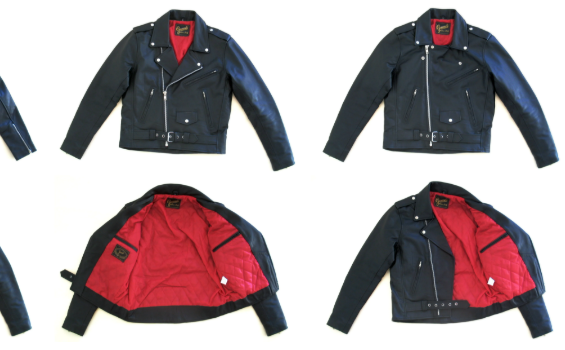
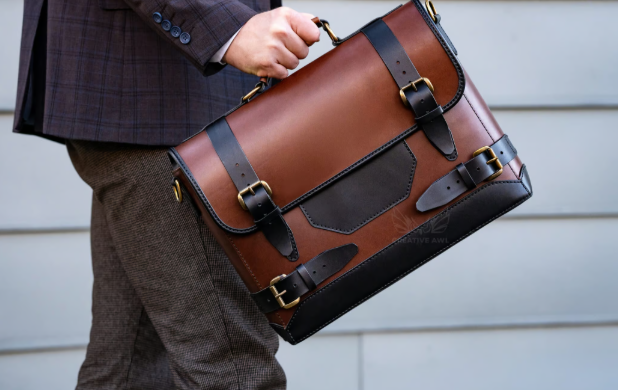
This unit consists of five elements, namely: making wallet patterns, making folder patterns, making travelling bag patterns, making briefcase patterns, and making simple leather jacket patterns.
ELEMENT 1:
ELEMENT 2:
ELEMENT 3:
MAKING TRAVELLING BAG PATTERNS
ELEMENT 4:
ELEMENT 5:
MAKING SIMPLE LEATHER JACKET PATTERNS
Unit 2: Designing intermediste patterns for footwear projects.
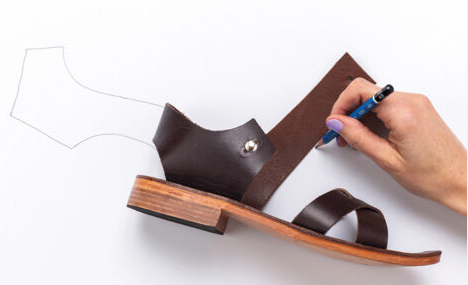
This unit consists of four elements, namely: making Oxford shoe patterns, making sandal patterns, making training shoe patterns, and making military boot patterns. The skills and competencies acquired from this unit will enable you to design and make intermediate patterns for footwear projects.
ELEMENT 1
ELEMENT 2
ELEMENT 3
ELEMENT 4
Revision Exercise – Designing Intermediate Patterns
1. Explain the importance of cleaning the working place while making patterns.
2. Mention five types of leather goods.
3. Outline all types of materials used to make patterns for footwear.
4. Differentiate between folder and travelling bag patterns.
5. Why do you prefer to use a hard manila sheet when making briefcase patterns rather than using a soft paper?
6. What is the importance of hem allowances in making leather garments?
7. Differentiate between Derby and Oxford shoe patterns.
8. What are the benefits of patterns in shoe-making before production?
9. How many patterns of the upper are needed for the basic Oxford shoe?
10. What are the disadvantages of sandal patterns that do not use a shoe last?
11. Mention the main allowances that can be added to training shoe patterns.
12. Mention the main components of military boot patterns.