
GE 141 – Module 5 Climate Classification
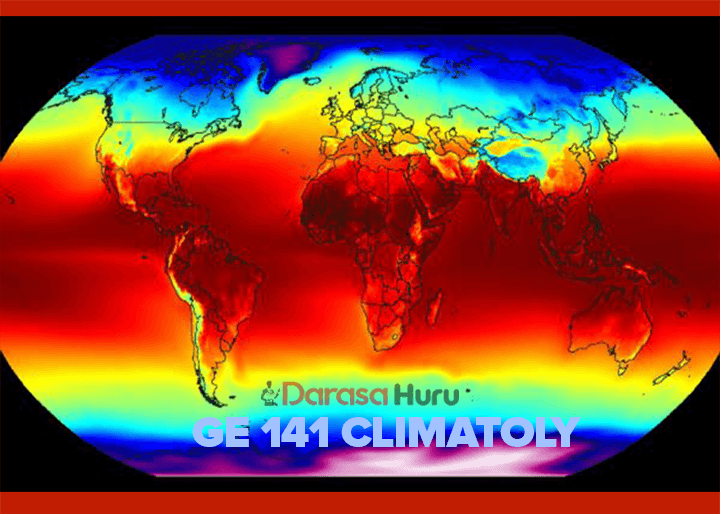
Climate classification is the system of categorizing the Earth’s climates, most famously using the Köppen climate classification system, which divides the world into five major groups: tropical, dry, temperate, continental, and pola
Factors Influencing the World Climatic Regions
- Latitude and its influence on solar radiation received.
- Air mass influences.
- Location of global high and low pressure zones.
- Heat exchange from ocean currents.
- Distribution of mountain barriers.
- Pattern of prevailing winds.
- Distribution of land and sea.
- Altitude.
Climatic hazards
Climatic hazards is extreme climatic or weather events that cause harm or damage to human being, properties or infrastructures.
Types of climatic hazards:
Floods caused by heavy rainfall.
Droughts caused by little rainfall, water scarcity, low river flows or extended heavy rainfall resulting into agricultural droughts.
Tropical disturbances – tornadoes, hurricanes caused by the development of high pressure gradient
Bush fires – caused by poor conservation and mismanagement of natural resources.
Climate change – caused by sustained increase of average temperature on the earth surface.
GE 141 – Module 5 Climate Classification
DOWNLOAD PDF NOTES
